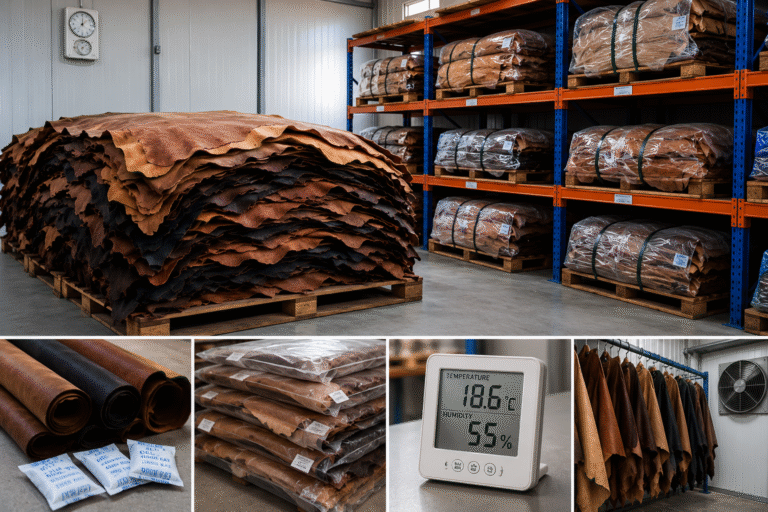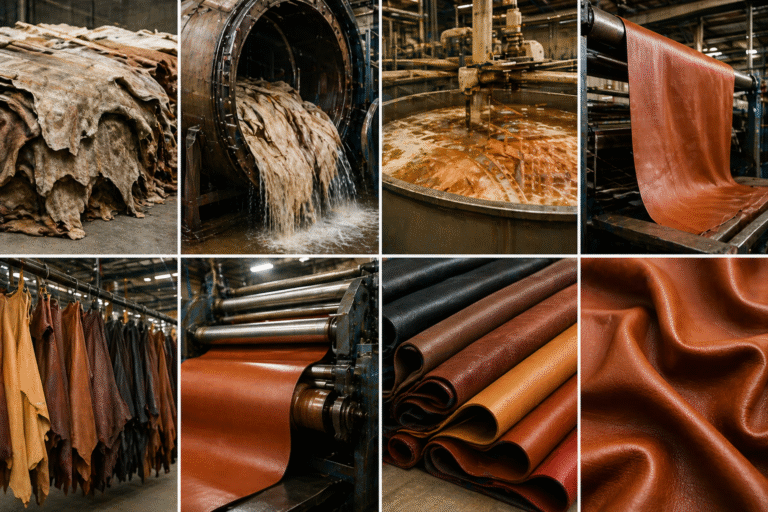
The initial and most important process of raw animal hides is the curing mechanism that gets done prior to the animal hides being sent to further processing in leather. Leather curing is the process of preventing biological decay as soon as an animal hide has been removed.
Unless they are cured, raw hides might become rotten in a few hours because of bacterial growth. Knowledge about leather curing techniques is critical since curing has direct influence on the quality of hides, processing efficiency and final strength and durability of leather.
Leather curing methods are an important step in the process of leather which can be considered a base stage of the whole leather value chain as it stabilizes the hides until tanning is finished.
Understanding the Leather Curing Process
How Leather Curing Prevents Decay
The curing of leather is a process that is aimed at eliminating or regulating the moisture content which is required by bacteria to survive. Salting, drying and freezing are leather curing techniques which inhibit or stop the activity of bacteria.
Curing of hides is done through the use of moisture and temperature that help in avoiding the enzyme corrosion of the fibers in the hides and helps to preserve the structure of raw hides until further processes are carried out.
Biological Changes in Uncured Raw Hides
Raw hides that are not cured have natural fats, proteins and moisture. Bacteria will start digesting these proteins without leather curing methods resulting in hair slip, odor, and fiber damage.
The tanning of hides is not possible with these biological developments, and surface is also limited, and that is why the leather curing process should start at the earliest time possible.
Curing vs Tanning: Key Differences
The leather curing methods leave raw hides temporary and tanning leaves them permanent. Leather curing prevents the rotting process without making hides leather. The tanning alters the chemical composition of hide fibers. When one mixes up the curing with the tanning process, it may cause error in processing and quality loss.
Salting Hides for Leather Preservation
How Salting Hides for Leather Works
Leather curing methods are most commonly used in salting hides.The salt causes the moisture to be drawn out of the hide and in this condition bacteria will not survive.
The process is efficient, cost-effective, and uses a lot of distance; hence salting hides to create leather is an international industry standard.
Types of Salting Methods Used in Tanneries
Widely used leather curing methods are dry salting, wet salting and brine curing. Both developing methods of salting hides to leather vary in amount of salt used as well as moisture. Tanneries choose methods of salting according to climatic conditions, time of transport and keeping.
Advantages and Limitations of Salt Curing
It is a good practice to be able to salt hides in leather. Nevertheless, the use of large quantities of salt may cause the wastewater to become salty in its processing. Salting is however one of the most convenient leather curing methods all over the globe.
Drying Raw Hides as a Curing Method
Air Drying vs Controlled Drying
Raw hides are dried either in the natural or controlled conditions to eliminate moisture. Air drying relies on the natural air movement and the sun whereas controlled drying relies on the controlled temperature and humidity. These two are both accepted leather curing methods when taken care of.
Climate Conditions Required for Drying Raw Hides
Raw hides are best dried in dry and low humidity climates. Due to high humidity, the drying process may be slowed down and moisture may grow molds.
Climate appropriateness is very important during the choice of drying raw hides as a technique of drying leather.
Risks of Improper Drying
Drying of the raw hide in the wrong manner may lead to cracking, hardness, and tension of the fibers. These flaws can not be covered up with tanning and also diminish the quality of leather.
This shows the significance of following conditions in the processing of leather in curing.
Freezing Raw Hides for Short-Term Preservation
How Freezing Raw Hides Prevents Bacterial Growth
Raw hides are frozen so that they can stop the activity of bacteria by reducing temperatures below the levels that enable microorganisms to survive. It is a short-term preservation technique of leather, in which case one cannot process the leather immediately.
Storage Duration and Temperature Requirements
Raw hides must be frozen at temperatures that are under -18C in order to freeze. Long storage requires freezing in a stable condition.
Bacterial activity can be reactivated in response to any change in temperature and therefore, it is necessary to monitor it.
Cost and Infrastructure Considerations
Raw hides have to be frozen in cold storage facilities and it needs energy. Although efficient, this is not such a viable method of curing leather as compared to other methods of preservation of raw hides, especially where large scale storage or long distance usage is involved.
Comparing Raw Hide Preservation Methods
Salting vs Drying vs Freezing
Salting is among the long-term leather curing methods, drying is among the chemical-free storage methods, and freezing is among the short-term leather curing methods. Both processes possess advantages and disadvantages on the basis of logistics and weather.
Effect on Hide Quality and Fiber Structure
Hides salting to preserve leather in the form of leather prevents stiffness of the fibers, whereas drying of raw hides can make the fibers stiff and can be hard to manage. Raw hides frozen maintain fibrous structure although they may be damaged when thawing.
Best Method Based on Climate and Transport Time
The salting of hides to make leather is best done in hot and humid climates. When in dry conditions, drying raw hides may be used.
Raw hides are frozen which is suitable when there is a shortage of storage close to processing plants. These factors are dependent on the choice of the right leather curing methods.
Choosing the Right Leather Curing Method
Curing Methods for Local vs Exported Hides
In local hides, either drying of the raw hides or freezing of the raw hides can be used. The exported hides tend to use salting hides to make leather because of the duration of transport and stability requirements. It is necessary to match the logistics to curing techniques.
Seasonal and Regional Considerations
Drying of raw hides is made difficult by the rainy seasons, and extreme temperatures may also enhance the growth of bacteria. Planning can be done seasonally to maximize the process of leather curing and to minimize the risk of spoilage.
Impact on Downstream Leather Processing
The ineffective and bad curing of leather enhances flaws in the tanning and finishing process. Curing is a proper procedure that enhances processing efficiency, waste reduction and the quality of the final leather.
Common Problems in Leather Curing
Over-Salting, Under-Drying, and Freezer Damage
Excess salt hardens hides, decreases moisture causing mold and poor freezing destroys fibers. These errors underscore the role played by the proper control of leather curing approaches.
Mold, Odor, and Bacterial Contamination
A curing process failure results in the growth of molds, bad smell, and bacteria degradation. The consequences of such defects are poor quality or rejected hides.
How Poor Curing Affects Final Leather Quality
The flaws that are developed during the curing process are easily seen after tanning. Low standards in the curing of leather make leather weak, unappealing, and not marketable.
Best Practices for Raw Hide Preservation
Handling Hides Before and After Curing
Cleaning, proper folding, and contamination prevention can enhance the outcome of any leather curing methods. Handling enables the preservation to be constant.
Storage and Transportation Guidelines
Storage is damaged by moisture, so ventilated storage, moisture control and transport protection are used. These are necessary ingredients of the effective methods of preserving raw hides.
Monitoring Moisture and Temperature
Monitoring on a regular basis would make sure that the leather curing methods are in check. Freezing of food lowers the rates of spoilage and reduction in quality.
Final Takeaway: How Leather Curing Works
The success of leather processing is based on leather curing. Curing either by salting, drying or freezing does not adversely affect the quality of the hide and safeguards value.
Knowing leather curing methods will assist manufacturers, traders and consumers make a better choice and produce a stable leather quality.
FAQs
- What is the process of curing leather?
The leather curing is done by preserving the raw hides after harvesting to stop the effect of bacterial decadence. This is achieved by salting, drying or freezing. The curing holds moisture and the temperature in check to the temporarily stable hide which is further processed and tanned in other ways.
- What salt is used in leather tanning?
Sodium chloride which is commonly referred to as regular salt is applied in tanning and curing of leather. It is predominantly used when preserving hides where it is used to extract moisture and inhibit bacteria. This salt is subsequently eliminated in the early processing of raw leather in the soaking process.
- What is the best tanning method for leather?
No one tanning method can be considered best on all leather. Chrome tanning can be used in soft and flexible leather that is durable and utilized in footwear and upholstery. Firm leather that is good on vegetable tanning is that which fades well like belts and saddles. The optimal approach would be based on the purpose of use.
- What are the methods of processing leather?
The curing, soaking, liming, fleshing, deliming, bating, pickling, tanning, retanning, dyeing, drying, and finishing processes are the methods of leather processing. All processes give the hide the next step to become a finished product, turning raw hides into leather that can be used in many different products and thus be a durable leather.
- What are the 5 basic leather working techniques?
The five fundamental leather work processes include the five processes of cutting, stitching, tooling or embossing, dyeing, and finishing. These processes are used to form leather into useful items, increase appearance, and increase durability. They are usually applied to make bags, belts, wallets, and other leather products.