Raw leather for furniture upholstery, raw leather is a vital factor in deciding on comfort, life and durability, and long life. The quality of raw leathers used in the production of furniture and upholstery have a direct impact on the performance of the seat, perceived aesthetics, and the durability of the product.
Upholstery leather is not the same as footwear or fashion leather as it has to be subjected to constant pressure, friction, and everyday use. The biggest error made by buyers is the expensive purchase of leather without getting to know the unique needs of upholstery.
Using the appropriate raw leather for furniture upholstery can guarantee the same level of quality, minimize the number of defects and enhance customer satisfaction in the studio of the sofas, furniture chairs and the high quality furniture collections.
Understanding Raw Leather for Furniture Upholstery
What Makes Raw Leather Suitable for Upholstery
Furniture upholstery uses raw leather that is highly prized due to its excellent fiber structure, natural grain and flexibility in processing.
It enables the manufacturers to manage tanning and finishing to comply with upholstery performance requirements. Furniture upholstery requires proper raw leather, which allows it to last long, be soft, and comfortable.
Raw Leather vs Finished Leather for Furniture
Raw leather is more customizable than fine leather. The use of raw leather for furniture upholstery is favored by the manufacturers of upholstery products due to the ability to finish the product to suit the softness, thickness and surface protection unlike pre-finished leather that has limited options due to the inability to make an adjustment.
Performance Expectations in Upholstery Applications
Leather which is to be used as an upholstery material must be tear free, stretch and crack free. When the raw leather is treated adequately, it can be used to make furniture upholstery that is durable and comfortable to be used throughout the long period of time.
Upholstery Leather Quality Requirements Explained
Thickness, Strength, and Tear Resistance
The quality requirement of raw leather for furniture upholstery gives preference to sufficient thickness and tear resistance. Raw leather for furniture upholstery should not be weakened due to the weight and movement.
Softness, Flexibility, and Seating Comfort
Furniture is required to be comfortable. Raw leather is most suitable in furniture to combine softness with the structural integrity to make sure that the seating is comfortable without losing its form.
Grain Quality and Surface Consistency
It is made of natural grains that enhance looks and longevity. The quality requirements of upholstery leather include smooth grain to prevent early wear.
Best Raw Leather for Furniture and Upholstery
Cow, Buffalo, Goat, and Sheep Leather Comparison
The thickness and strength of hides of buffalos and cows are usually the most useful raw leather to use in furniture. Goat and sheep leather is softer yet more suitable in the light upholstery work.
Choosing Leather Based on Furniture Type
Various pieces of furniture demand diverse leather choices as a form of upholstery. raw leather for sofas and furniture and sectionals needs some heavier raw leather and we can use the light hides on the accent chairs.
Raw Leather for Sofas, Chairs, and Sectionals
Sofa and furniture raw leather will have to withstand continual traffic. The choice of hide is the key to durability and comfort in the seating products.
Leather Selection for Upholstery Manufacturing
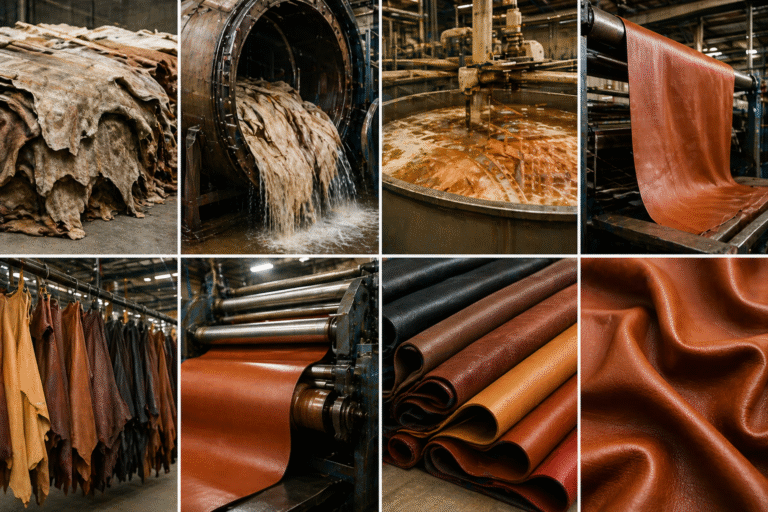
How Raw Leather Performs During Tanning and Finishing
Raw leather for furniture upholstery can be easily tanned and finished so that manufacturers can attain the wanted softness and protection.
Compatibility With Upholstery Construction Methods
The choice of leather to be used in upholstering should be in line with the stitching, padding and frame construction to avoid any stress damage.
Avoiding Cracking, Stretching, and Surface Damage
Cracking and stretching are avoided by proper processing. Raw leather for furniture upholstery should be properly selected to minimize the chances of failure in the long run.
Evaluating Raw Leather Quality Before Buying
Visual and Physical Inspection Checklist
The furniture leather buying guide also involves inspection of grain, thickness, flexibility, and defects. Raw leather for furniture upholstery has to go through visual and physical examination.
Sample Approval and Trial Upholstery Testing
Appropriateness is established by sample testing. The raw leather furniture upholstery must be tested by buyers under the actual seating conditions.
Consistency Across Production Batches
Consistency of batches is extreme. Consistent raw leather providers will make sure that the furniture upholstering will be of a uniform shipment.
Sourcing Raw Leather for Furniture Manufacturing
Selecting Reliable Leather Suppliers
Reliable suppliers are aware of the quality requirements of upholstery leather and supply regular raw leather used in the fabrication of furniture.
Pricing, Yield, and Cost Considerations
Yield affects cost. Raw leather for furniture upholstery requires high-quality raw leather that is more efficient in terms of cutting and generates fewer wastes.
Documentation, Compliance, and Traceability
Traceability is a way of guaranteeing quality. The best practices when purchasing furniture leather are review of supplier documents.
Common Challenges Buyers Face With Upholstery Leather
Natural Defects and Surface Imperfections
Inherent flaws decrease the usefulness. These problems in raw leather used as furniture upholstery are managed by proper grading.
Thickness Variations and Splitting Issues
Lack of uniformity in the thickness may harm comfort and endurance. The split is controlled by the requirements of leather quality in upholstery.
Storage, Transport, and Handling Risks
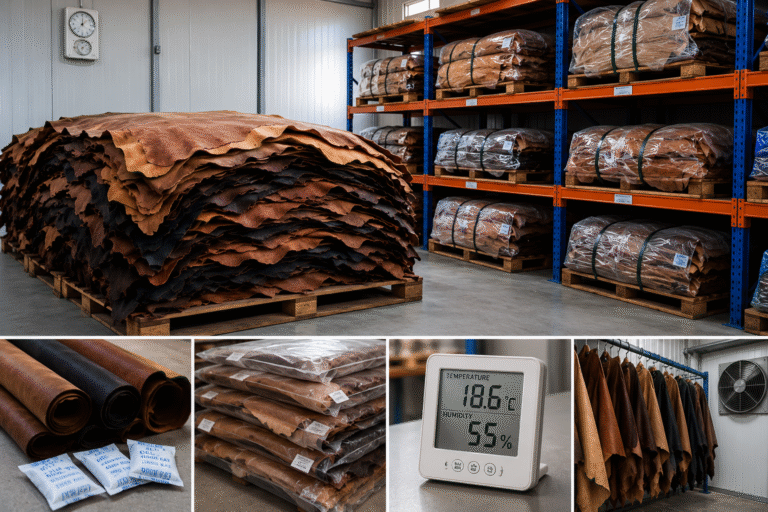
Raw leather used in the upholstering of furniture is spoiled by poor storage. Any mold and cracking is avoided by proper handling.
Practical Tips for Buyers Choosing Raw Leather for Furniture
Matching Leather Choice With Market Positioning
High-quality furniture requires high-quality raw leather furniture upholstery. The choice of leather should be based on product positioning.
Planning for Durability and Long-Term Use
Customers are satisfied with durability planning. Raw leather furniture needs to be of the finest leather that endures the longest.
Building Long-Term Supplier Partnerships
Good relationship with the suppliers enhances the consistency and prices of the raw leather to use in furniture upholstery.
Final Takeaway: Choosing Raw Leather That Performs in Furniture Upholstery
The correct choice of raw leather in furniture upholstering is crucial in terms of comfort, quality and brand.
The buyers can be assured in selecting leather that will do well in furniture by knowing the requirements of the quality of the upholstery leather by knowing how to do appropriate checks and through selection of the suppliers.
FAQs
- What type of leather is best for upholstery?
The best leather to use in upholstery is full-grain and top-grain leather since it is strong, comfortable, and wear-resistant. They are very comfortable when used in sofas and chairs. So this type of leather is usually used for furniture and other such products.
- What is the raw material for leather?
Leather is manufactured with the help of the animal skin or hide of mostly cattle, buffalo, sheep or goat. These are then processed and preserved followed by tanning. Leather is of different kinds, and it will be necessary to know the type of leather and where that leather is derived.
- Is 100% genuine leather real leather?
Full-grain and top-grain leather are the most desirable leather to be applied in upholstery as it is strong, comfortable and wears out. They are quite comfortable as they are used in sofas and chairs. So this kind of leather is typically applied to furniture and other products of this kind.
- How to check if leather is original or not?
The natural leather is of a natural grain, absorbs water slowly, is of an organic smell, and warm to touch. Synthetic leather is normally non-uniform and it does not absorb moisture. Using this way, one can get a clear image whether the leather is original or fake.
- What is the lowest quality of leather called?
The poorest grade of leather is usually known as bonded leather. It is also composed of leather scraps mingled with adhesives and has low durability and lifetime. This leather is not used for luxurious purposes and good companies as it is not reliable.