We should know how climate affects leather quality, in order to know why certain countries yield stronger, purer, more luxurious leathers.
The state of a hide is determined way before the process of tanning has started. The effect of climate on the quality of leather is also affected by heat, humidity, rainfall, insects and the general environment which brings about observable regional variations in the quality of leather.
These directly define the strength of grain, the level of defects, the density of the fibers and longevity. On studying world leather markets, we can evidently observe how climate affects leather quality in Pakistan more than in Europe, Africa, Brazil and other leather producing regions.
Why Climate Plays a Major Role in Leather Quality
How Temperature, Humidity & Rainfall Affect Raw Hides
Raw hides are greatly affected by climate including temperature and humidity. High temperatures dry fibers making them more parasite friendly and the high moisture supports mold.
The effects of rainfall also affect the health of animals and hides. It is these environmental forces that cause the impact of climate on the quality of leather at the very least stage of leather formation.
The knowledge of the climate effect on the raw hides can be used to understand why raw hides vary country to country in terms of density and defects.
How Weather Affects Leather Production Before & After Slaughter
One more significant influence of climate on the quality of leather is the weather at slaughter and after slaughter. Spoilage is increased by high heat.
Staining and mold are caused by humidity. Adverse climatic conditions delay the growth of bacteria. This is the reason why it is essential to learn how climate affects leather quality to be able to predict the final quality.
Fresh or preserved leather, how climate affects leather quality, the creation of leather makes the difference between drying and storage.
Climate Impact on Raw Hides: Hot vs Cold Countries
Hide Texture, Thickness & Fiber Strength in Hot Regions
Hot climate gives rise to hides that tend to have a thicker skin but have more scars and marks of parasites.
One of the largest aspects of climate influence on leather is heat, which increases the density of the hides but makes them more blemished. Exposure of strong UV can alter grain tightness as well as color.
Natural Grain, Fat Content & Moisture Levels in Cold Regions
The cold climates result in finer hides with less complications around the insects. Low temperatures also have an impact on the effect of climate on the leather quality, by creating smaller grain and increased fat content that increases softness.
Cold conditions also have a reduced number of problems with bacteria during storage.
Leather Quality in Pakistan: Climate Advantages & Challenges
Why Pakistan’s Climate Supports Strong Cow, Buffalo & Goat Hides
Researchers observe a rare equilibrium when it comes to examining the leather quality in Pakistan, as the intense sunlight raises fiber density, whereas animal breeds provide thick cow, buffalo, and goat hides.
Such considerations can be understood to determine why climate favors leather production in Pakistan particularly on products that depend on strength.
Challenges from Heat, Parasites & Seasonal Humidity
Nonetheless, in Pakistan, leather quality also suffers climatic problems. Parasites are more active in heat in summer and bacteria multiply faster in monsoon moisture.
Such problems indicate the impact of climate on leather quality by influencing it negatively in the absence of storage, cooling, and preservation methods.
Regional Differences in Leather Quality Around the World
Europe (Italy, Spain): Cooler Climate, Fine Grain, Fewer Defects
The European climates are mild and cool and form less natural imperfections. This is the reason why Italy tends to dominate in high quality hides.
These local variations in leather fabric reflect how uniform climates create cut grain and reduced number of spots.
Brazil & Africa: Heat, Insects & Environmental Stress on Hides
Hot humid climates promote the bite of ticks, scars, and non-uniform grain. These are regional variations in the quality of leather used to explain why hides produced in hot areas might demand more fixing or finishing.
China & South Asia: Mixed Climate With High Variation in Hide Quality
Everything is experienced in South Asia, heat, humidity, cold spells and hence the unpredictable outcome. These variations result in large regional variations on the quality of leather, depending on the farm management and preservation method.
How Climate Affects Leather Defects & Natural Imperfections
Parasite Damage, Tick Bites, and Heat-Related Skin Conditions
In warm places, parasites multiply causing bites and scars. This is among the brightest instances of the influence of climate on the quality of leather, which creates distinguishable flaws on uncooked hides.
Mold, Bacterial Growth & Moisture Damage in Humid Regions
Mold is also a problem which is caused by humidity. Examples of these flaws demonstrate the direct way of how climate affects leather quality, making fibers weaker and leaving the leather with stains.
How Weather Affects Leather Production & Processing Quality
Impact on Drying, Storage & Transportation of Raw Hides
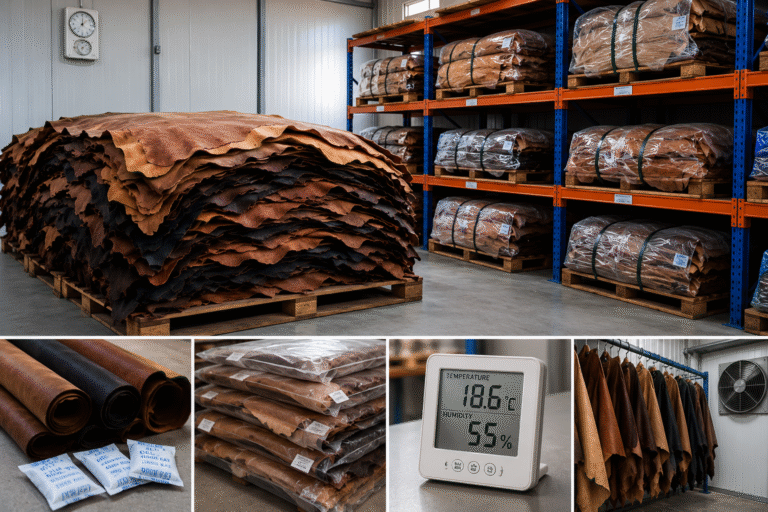
Weather determines speed of drying, moisture during storage and duration of hides in transit. These attributes have a significant impact on how climate affects leather quality and its impacts on the supply chain regarding the quality of leather products.
This is attributed to poor weather management as far as weather influences production of leather that is preceded by tanning.
Climate Influence on Tanning Results & Color Stability
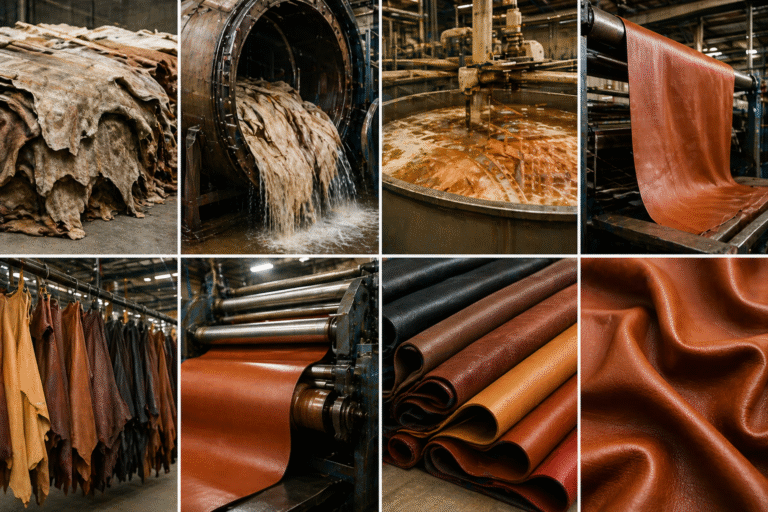
Hot or damp climates change the pH, drying time as well as taking up colors. This is another instance of how climate affects leather quality, which influences the quality of the finish and dye.
Pakistan vs Other Countries: Which Produces Better Leather?
Strength & Durability of Pakistani Hides Compared Globally
Pakistan boasts of extraordinarily powerful cow and buffalo hides. The strength of this is largely because of the impact of climate on the quality of leather in South Asia-heat enhances the fiber density.
The European hides, however, are usually winning on smoothness of surface.
Why Some Regions Specialize in Luxury Leather While Others Supply Bulk Material
European climates raise perfect grain and hence they lead in production of luxury.
Pakistan, Brazil and Africa have larger volumes because of animal populations which are caused by climatic effects. The reason why different regions control different market segments is that of these regional variations in the quality of leathers.
Improving Leather Quality Despite Climate Challenges
Farm Practices That Reduce Climate-Related Defects
The negative effects of climate change on the quality of leather can be minimized through good animal care, insect control, and clean environments. Improved housing and medical attention results in smooth hides
Storage, Cooling & Transport Methods That Preserve Hide Quality
Climate risks are mitigated by proper cooling and timely salting and ventilating. These processes enable us to regulate how climate affects leather quality and balance the quality of hides.
Final Takeaway: Understanding Climate’s Role in Leather Quality
The knowledge on how climate affects leather quality will provide both customers and producers with the knowledge of worldwide differences.
All regions form their own hide features, whether it is the activity of insects, or changes in temperature. As soon as you know the regional variations in the leather quality, you are able to assess the potentials of both Pakistan and the rest of the nations.
The texture of hides, the amount of defects and the general worth of the hides are influenced by climate- hence it is a significant determinant of leather production on a global scale.
FAQS
- Where does the highest quality leather come from?
Tanning business in different Countries.
China is also the largest finished leather producer in the world, next is Brazil, Italy, Russia, and finally India, Argentina, South Korea and the U.S. Most of the upholstery leather which has been completed in the United States is imported, mostly of European (and especially Italian) and South American origin.
- Is leather good in Pakistan?
Pakistan is reported to be the center of producing high quality Leather and Leather Products and the country has approximately 800 Tanneries that are effectively involved in the production of best quality finished leather of Cow, Buffalo, Sheep, and Goat skins.
- Why is Sialkot famous in the world?
Sialkot is connected with the production and export of different goods like surgical equipment, musical equipment and sports equipment, leather goods, textile goods etc, which makes Sialkot the second largest source of foreign exchange earnings to Pakistan due to its exports and overseas remittances.
- Is leather a profitable business?
Leather Accessories Production: Leather accessory production can be profitable as watch straps, phone cases and wallets are some of the items that can be produced. Leather Jacket Lost: Leather jackets are in high demand in the local and international market, and thus making leather jackets can be a lucrative business venture.
- Who are the top 3 producers of leather?
Italy, China and Brazil are the leading three leather manufacturing nations in quantity but the leather is manufactured in virtually all countries on the planet. The geographically nearby leather manufacturing has continued to be a significant component of the supply chain of most companies. A total of 24 billion square feet is produced every year.