The best time to buy raw leather commercially is essential among the large importers who would like to manage their expenses, quality and disruptions in their supply.
Raw leather is a seasonal product that is affected by the livestock cycles, weather patterns, festivals, and the world demand.
Timing of purchase may cause increased prices, storage hazards and poor quality. Being able to know the best time to buy raw leather will enable the importers to be strategic in their purchasing of the raw leather, when to buy to match the production schedule and also the market timing of the raw leather at various regions.
Understanding Raw Leather Supply Cycles
Livestock Slaughter Cycles and Hide Availability
The cycle of raw leather supplies is closely associated with the patterns of slaughtering of livestock. The supply of hides is higher during the high slaughter seasons, which gives increased chances to the buyers.
The cycles directly influence when it is better to buy raw leather because when more supply is a price is more likely to be stable and better to select.
How Farming Seasons Affect Raw Leather Supply
Agricultural periods determine the development of livestock and the market availability. The availability of hide is frequently increased due to the post-harvest and seasonal culling.
Knowing these supply cycles of the raw leather will enable buyers to know when they are likely to get the best time to buy raw leather in certain regions.
Regional Differences in Raw Leather Supply Cycles
Differences between raw leather supply cycles across different regions are based on climate, livestock management and culture.
These are the regional variations, which are important in defining the period of buying raw leather in various markets around the world.
Raw Leather Buying Season Explained
Peak Supply Seasons and Their Advantages
The season when the supply of raw leather is at its best is usually during peak season when there is high supply and competition among the suppliers. At such periods, buyers are able to bargain at their prices and get a stable quality.
Off-Season Buying: Risks and Opportunities
Off-season purchasing will provide fewer opportunities, but it has its dangers. Reduced supply will elevate prices and decrease quality available. Importers need to evaluate the strategy of buying off-season in their timing strategy of the market in the raw leather.
How Weather and Climate Influence Raw Leather Quality
The weather influences conservation and quality. Raw hides will be spoiled by extreme heat or humidity. Knowledge of climate effects makes the buyer decide the best time to buy raw leather when the risk of low quality is minimal.
Raw Leather Price Trends Throughout the Year
Seasonal Price Fluctuations in the Raw Leather Market
The prices of raw leather have seasonal patterns. When the supply is at an optimal level, prices will be on the downward trend and increased when there is a shortage in supply.
By monitoring these trends, one can know the best time to buy raw leather at the most favorable prices.
Demand-Driven Price Increases and Market Pressure
Footwear, furniture and automotive industries can drive the prices through demand. Trends in the prices of raw leathers are volatile when the demand is high and supply is low such that bulk buying is impacted.
Identifying the Best Time to Buy Raw Leather at Lower Cost
A combination of supply information with the raw leather prices trends will enable customers to know best time to buy raw leather at the optimum time, when the prices are increasing. Early scheduling plays a major role in cost management.
Best Season to Import Leather for Bulk Orders
Ideal Months for Bulk Raw Leather Importing
In most places, the months of late post harvest and cooler seasons are the most favorable months to import leather. Such intervals minimize the risks to preserve and facilitate easier logistics.
Regional Import Seasons: Asia, Europe, and Middle East
Importation of leather will depend on the destination, which is the best season. The Asian markets can tend to import once the slaughtering seasons are at their peak and the European purchasers tend to buy during colder months.
Timing of the markets of regional raw leather enhances efficiency in imports.
Aligning Purchase Timing With Production Schedules
The bulk purchasers should match imports with the manufacturing requirements. Comparing production plans with the best time to buy raw leather, most appropriate time saves on time and risks of storing it.
How Festivals and Global Events Affect Raw Leather Markets
Impact of Religious Festivals on Hide Supply
Religious celebrations have the capacity to drive up slaughter rates, which have an impact on the cycles of the supply of raw leather. These seasons usually provide temporary buying possibilities at good discounts.
Effect of Fashion and Automotive Demand Cycles
Raw leather prices are dependent on seasonal demand by the fashion and automotive industries. The buyers ought to take into account these cycles when purchasing in large quantities.
Global Trade Disruptions and Seasonal Shipping Delays
Shipments can be slowed down by trade disruptions, weather events, and port congestion. These risks considered in terms of timings of the raw leather marketplaces can prevent time delays at high costs.
Risks of Buying Raw Leather at the Wrong Time
Quality Issues During Extreme Weather Seasons
Buying in a season of extreme temperature or during the monsoon season poses more risks of quality. Unfavorable preservation conditions may lower the usability of hides as well as increasing rejections.
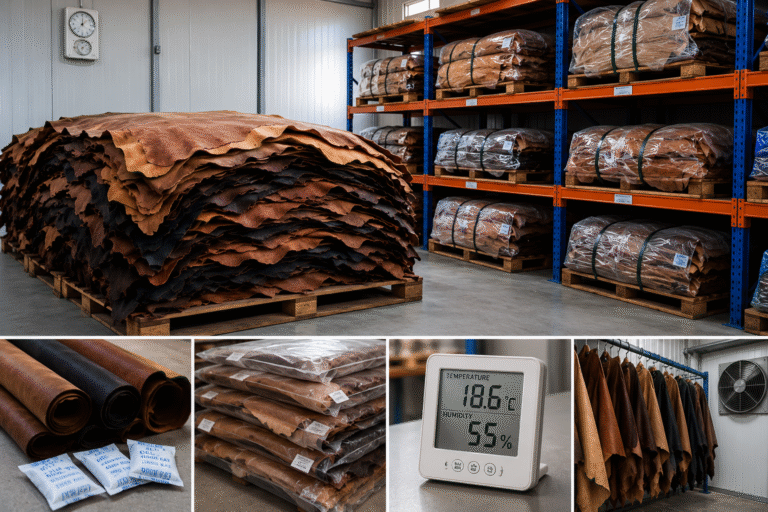
Storage and Preservation Challenges
Early and late purchasing might add to storage time. The longer storage increases the cost and the spoilage, particularly when the optimal period of purchase of raw leather is missed.
Cash Flow and Inventory Risks for Importers
Poor timing of buying may tie up the money and strain inventories. Timely raw leather market planning is a strategy that assists in maintaining healthy cash flow.
Strategic Tips for Planning Raw Leather Purchases
Using Market Data to Predict Raw Leather Price Trends
The importers are supposed to examine the past trends of the prices of raw leather and the present market statistics. This strategy helps to make smarter buying choices and make them in time.
Building Flexible Sourcing Strategies Across Seasons
Varying of sourcing areas helps eliminate reliance on a single raw leather sourcing season. Flexibility enhances market resiliency.
Working With Suppliers to Secure Stable Supply
The good relations that exist between the buyer and suppliers enable the buyer to maintain continuous supply even during the seasons that are not the most favorable to import leather. Teamwork enhances stability in sourcing in the long run.
Regional Insights: Best Time to Buy Raw Leather by Origin
South Asia and Pakistan Raw Leather Buying Seasons
The best time to buy raw leather in South Asia is usually during the cooler seasons and after the period of the festival. These seasons help in preservation and consistency of supply.
Latin America and African Supply Timing
Different livestock cycles are followed in Latin America and Africa. Knowledge of these leather supply cycles of the raw leather assists the buyers to plan their purchases on time.
Europe and Cold-Climate Seasonal Patterns
Cold climates provide more preservation conditions. The regions usually have predictable purchasing seasons of raw leather by buyers.
Long-Term Raw Leather Market Timing Strategies
Annual Purchase Planning for Bulk Importers
Annual planning assists importers to match purchases with supply patterns that are anticipated. This will enhance the quality and cost management.
Hedging Against Seasonal Price Volatility
Long-term contracts and intermittent purchases will decrease seasonal price fluctuations. These measures enhance the timing of the market of raw leather.
Combining Timing Strategy With Supplier Relationships
The optimal period of purchasing raw leather is also relative as well as seasonal. The reliable suppliers offer reliability and flexibility in cycles.
Final Takeaway: Choosing the Best Time to Buy Raw Leather
To make the optimal decision on the best time to buy raw leather, it is necessary to know the cycles of supply, the dynamics of prices, the risk of weather, and national peculiarities.
A strategic planning of the imports, keeping track of the timing of the raw leather market, and cooperation with the suppliers provide the importers a high level of success in cost management, quality assurance, and long-term sourcing.
FAQs
- Which city of Pakistan is famous for leather?
The most renowned city in Pakistan of leather products is Sialkot. It has a good reputation on leather products, sports equipment, and exportation manufacturing worldwide. There are other key leather hubs such as Kasur, Karachi and Lahore which are the centers of tanning and leather processing industries.
- What time of year do you get leather jackets?
The leather jackets are usually sold during autumn and winter. Jackets are made of leather and stored by the manufacturers in advance of the winter season when they are in demand. The new collections are typically issued in late summer or early fall by the retailers and this is the most appropriate time when the buyers can see a large selection of styles and sizes.
- Which country is famous for the leather industry?
One of the most popular countries in the leather industry is Italy. It is reputed to be of quality leather, luxury, and high-technology processing. The other popular countries that produce leather include India, China, Brazil and Pakistan which each have specialized in producing various types of leather and products.
- Which country imports leather from Pakistan?
One of the greatest importers of Pakistani leather is China. Other importing countries are Italy, Vietnam, Turkey, and Spain. The Pakistani leather used in footwear, upholstery, automotive interiors and other further processing is imported to these countries because it is strong and competitively priced.
- Who is the largest supplier of leather in the world?
Brazil is the greatest producer of leather globally. It harbors one of the largest herds of cattle and good infrastructure in the export of leather. Brazil is a source of huge quantities of raw and semi-processed leathers to other parts of the world, particularly manufacturing bases in Asia and Europe.